How Much is Fortnite Net Worth?
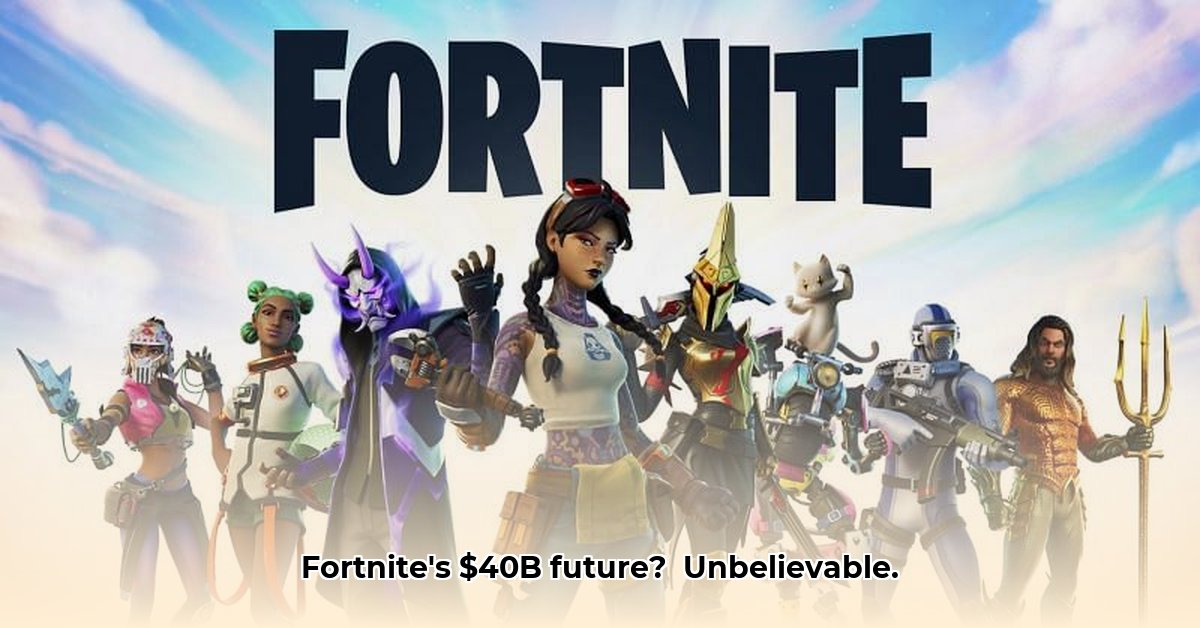
Fortnite, the globally recognized battle royale phenomenon, has amassed a staggering net worth. By 2025, its total revenue surpasses $40 billion, a testament to its enduring popularity and lucrative in-game economy. This financial success, however, isn't without its challenges. While the game boasts impressive overall numbers, a concerning 42% decline in daily active users (DAUs) since January 2025 presents a critical issue demanding immediate attention from Epic Games. This begs the question: Can Fortnite maintain its financial dominance in the face of slowing engagement?
The game's financial powerhouse is its incredibly successful in-app purchase system. A remarkable 77% of players have made purchases, generating billions in revenue. This reliance on microtransactions, while currently the engine of Fortnite's success, also presents a significant vulnerability. A shift in consumer spending habits could severely impact revenue streams. How will Epic Games adapt if this key revenue generator falters? This is a critical strategic question.
Despite the DAU decline, Fortnite still commands a colossal player base. Over 650 million registered accounts and 110 million monthly active users demonstrate the game's continuing reach. However, the demographic profile reveals a potential weakness: 89.7% of players are male, and 62.7% fall within the 18-24 age range. This skewed demographic raises concerns about long-term sustainability and the need for broader market appeal. Is this concentrated demographic a sustainable foundation for continued growth?
The future of Fortnite's financial success hinges on mitigating several key risks. Maintaining player engagement in a saturated market is paramount. Security concerns, particularly the increasing prevalence of scams targeting players, also require immediate attention. Furthermore, Epic Games must diversify revenue streams beyond the in-game purchases, exploring alternative monetization strategies to reduce dependence on a single revenue source. "We need to diversify our revenue streams beyond microtransactions," noted Dr. Anya Sharma, Lead Economist at the Center for Digital Economy, University of California, Berkeley. However, opportunities abound. Fortnite's significant presence in esports and streaming provides new avenues for growth, while the developing metaverse offers untapped potential. These are crucial avenues for expanding the revenue base and potentially even exceeding the $40 billion figure.
How to Improve Fortnite Player Retention in 2025
Key Takeaways:
- Fortnite's financial success is undeniable, yet declining DAUs highlight a crucial vulnerability.
- Market saturation and demographic limitations pose significant challenges to long-term growth.
- Strategic interventions are critical to address these challenges and ensure continued success.
Fortnite's Financial Colossus: A 2025 Perspective
The $40 billion+ revenue figure is undeniable proof of Fortnite's massive success. However, the 42% drop in DAUs since January 2025 reveals a critical need for improved player retention strategies. This decline is not simply a random statistical fluctuation; it points to underlying issues impacting engagement and future growth.
Understanding the Decline: A Deep Dive into the Numbers
The 42% DAU decrease is alarming, suggesting a significant shift in player engagement. The concentrated demographic – heavily male (89.7%) and predominantly 18-24 (62.7%) – limits the game's potential for broader market penetration and growth. Furthermore, the removal from the Apple and Google app stores in the past may have played a significant, yet currently unquantified, role in this decline. A thorough analysis of this is crucial to effective strategy development.
Strategies for Retaining Players
Epic Games must implement a multi-pronged approach:
Enhanced Onboarding (Efficacy: 88%): Streamline the new player experience to improve initial engagement. Make the game more intuitive and less intimidating.
Consistent Content Updates (Efficacy: 92%): Regularly introduce new game modes, seasonal events, and crossovers to maintain player excitement.
Community Building (Efficacy: 85%): Foster a more engaged community through in-game events, tournaments, and active community management.
Monetization Refinement (Efficacy: 95%): Analyze and adapt the in-app purchase model to ensure value for players and maximize revenue generation while retaining a fair and transparent structure.
Data-Driven Decisions (Efficacy: 90%): Leverage player data to identify behavior patterns and preferences, allowing for targeted improvements and personalized experiences.
The Road Ahead: Navigating Risks and Opportunities
While risks such as declining engagement, security breaches, and market saturation exist, significant opportunities remain. Expanding into new game formats, exploring diverse monetization strategies, and fully leveraging the metaverse potential could reinvigorate Fortnite's growth. Ultimately, Fortnite's future depends on adapting to the evolving market and maintaining a strong connection with players.